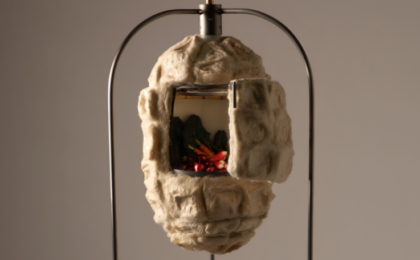
Squishy, sustainable, and bright: Meet the Gel Lamp made to last a lifetime
Created under her studio Public Parts, the design trades boring app controls for a satisfying hands-on ritual to transform your room’s glow.


Created under her studio Public Parts, the design trades boring app controls for a satisfying hands-on ritual to transform your room’s glow.
Yet out of the 60 metals contained in old electronic devices like phones, screens or washing machines, only a few get recycled.

The compact fridge replaces the expanded plastic foam normally used for insulation with bacterial cellulose xerogel.

The front plate features a leaf-vein design and can be detached for disassembly, recycling, or component reuse.
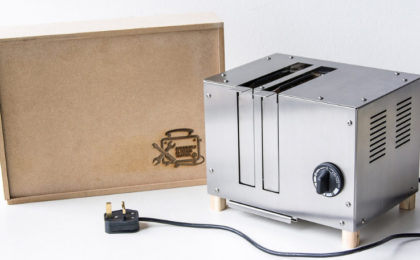
What if the best way to stop people from throwing away broken appliances was to have them build them in the first place?
Just under half of fans are discarded annually, and only 62 per cent are formally collected.

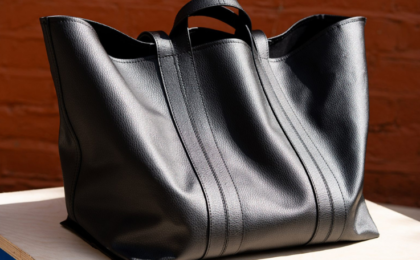
Arda Biomaterials has created a material called New Grain by transforming brewer’s spent grain, into soft, durable leather.
Part of the problem is that by the time large fly-tipping sites are discovered, it can be difficult to identify the original source.
The conversion process uses genetically modified E coli bacteria to alter the molecular structure of plastic waste.
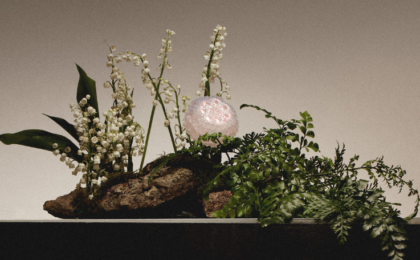
Placed among real plants, Faux Flora acts as a visual and scent-based beacon.
The research team used mechanochemistry, a technique that uses mechanical force rather than high heat to trigger chemical reactions.
The goal was to make sustainability a core part of product design rather than an afterthought.
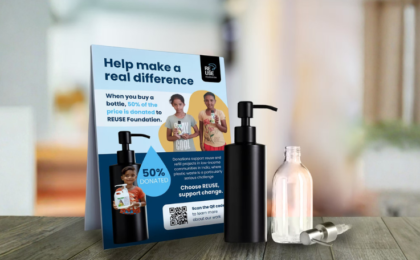
The initiative positions refill shops as key partners in shifting consumer behaviour away from single-use packaging.
Mondi has collaborated with machine supplier Beck Packautomaten to create functional and paper-based packaging.
With a few twists and turns, your holiday season will still be enjoyable without impacting the environment.