

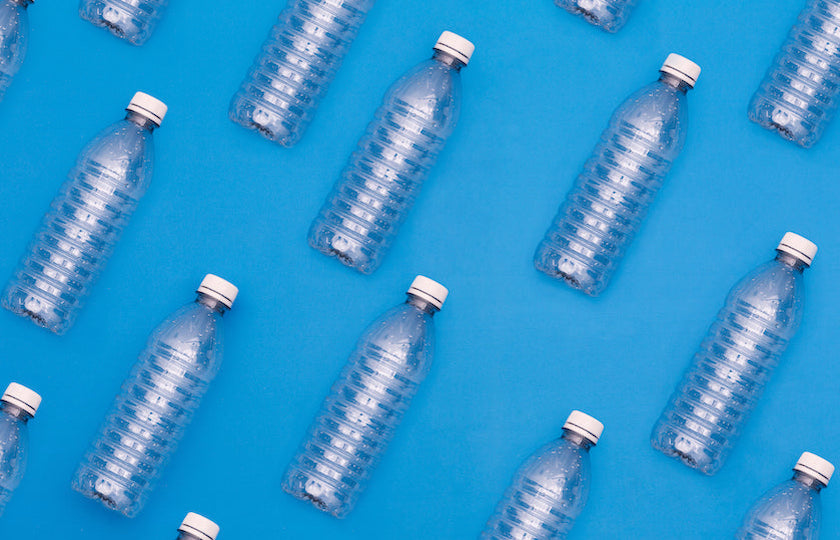
A team of biotechnology researchers at the University of Edinburgh has developed a biological method to convert polyethylene terephthalate (PET) plastic waste into L-DOPA, a primary medication used to treat Parkinson’s disease.
The study, published in the peer-reviewed journal Nature Sustainability, marks the first time a biological process has been engineered to transform plastic waste into a therapeutic drug for a neurological condition.
The conversion process uses genetically modified Escherichia coli (E coli) bacteria to alter the molecular structure of plastic waste.
First, post-consumer PET plastic, the material widely used in single-use food and drink packaging, is chemically broken down into its constituent monomers, specifically terephthalic acid (TPA).
The engineered bacteria then process the TPA molecules through a series of four enzymatic reactions, converting the carbon-rich waste into L-DOPA.
To overcome biochemical challenges, such as cellular transport limitations and internal enzyme inhibition by intermediate compounds, the researchers separated the pathway into two distinct, cooperative bacterial strains that work in sequence.
Under controlled laboratory settings, the multi-strain microbial system achieved a conversion efficiency of up to 84 per cent when using industrial waste sources, producing a yield of 5.0 grams of L-DOPA per litre.
The researchers also successfully isolated multiple solid clinical doses of the medication from a single discarded PET bottle.
The traditional manufacturing of pharmaceuticals, including L-DOPA, heavily relies on petrochemical feedstocks derived from finite fossil fuels.
The research team, led by Professor Stephen Wallace, notes that using plastic waste as an alternative carbon source offers a more sustainable pathway to producing essential chemical compounds.
This technique forms part of an emerging field known as bio-upcycling, which seeks to use microbes and enzymes to turn low-value waste materials into high-value chemical products, including pharmaceuticals, flavourings, and cosmetics.
While the laboratory proof-of-concept demonstrated successful synthesis, the process is not yet optimised for large-scale industrial manufacturing.
The research team plans to focus its subsequent work on enhancing the technology’s scalability, economic efficiency, and environmental performance.
“If we can create medicines for neurological disease from a waste plastic bottle, it’s exciting to imagine what else this technology could achieve,” said Wallace.
“Plastic waste is often seen as an environmental problem, but it also represents a vast, untapped source of carbon. By engineering biology to transform plastic into an essential medicine, we show how waste materials can be reimagined as valuable resources that support human health.”
Critics and anti-plastic activists also note that while bio-upcycling provides alternative manufacturing loops, it remains unproven for large-scale waste mitigation and is unlikely to fully resolve the broader global crisis of plastic pollution.

1 comment