Maison de Sabre upcycled lemon charms makes a comeback
The charms are part of Maison de Sabre’s wider effort to use more of the raw materials already entering its supply chain.


The charms are part of Maison de Sabre’s wider effort to use more of the raw materials already entering its supply chain.
Grown using living organisms, they’re often showcased as the next generation of sustainable materials.

The fungus-based fabric renew parts of its surface, take on different colours, and eventually biodegrade.
Governments need to set clear rules on recyclability and chemical safety for e‑textiles.
As governments and industry invest in more circular textile systems, understanding the chemical history of textiles is becoming increasingly important.
Guests can drop off gently used Lululemon gear or non-Lululemon items at select stores across Hong Kong until September 30.

Data from the company shows that its resale initiative, Coach (Re)Loved, sold more than 13,800 repaired, restored, and vintage units last year.

The collaboration includes a charitable sale of the collection in partnership with Hong Kong-based environmental NGO Redress.
Every garment carries a sizeable environmental footprint long before it reaches a hanger.

Arda Biomaterials has created a material called New Grain by transforming brewer’s spent grain, into soft, durable leather.
The new animal-free material is made from plant-based proteins, biopolymers, and recycled Nylon 6 derived from old tyres.
The story is more complicated. What looks like circular recycling is often a one-way trip to landfill.
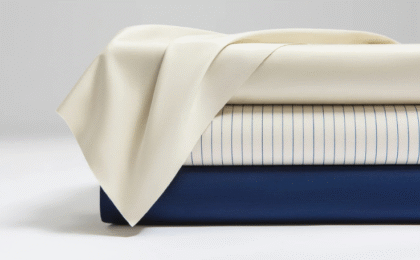
Made for companies transitioning to low-impact textiles, the line offers more than 50 fabrics made with recycled cotton.
The program has worked with clothing producers to cut emissions, phase out toxic chemicals, and reduce water use.
While Farm to Material is still in its early stages, the potential of banana fibre is drawing attention from the textile industry.