Mabi swimwear shuns plastic for sustainable fashion
Instead of recycling plastic, Mabi Swimwear minimises its plastic use by using alternative materials and implementing eco-friendly practices.


Instead of recycling plastic, Mabi Swimwear minimises its plastic use by using alternative materials and implementing eco-friendly practices.
According to research conducted by the Ellen MacArthur Foundation, the fashion industry is one of the largest polluters globally, second only to the oil industry.
A Parisian-based textile company, Sericyne, aims to transform the silky industry, finding a way to improve silk production.
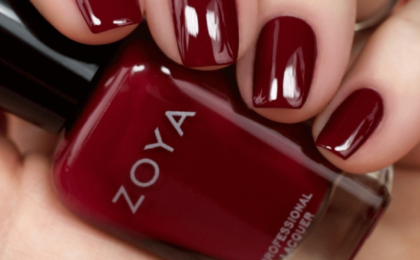
It’s time to rethink our love for nail polish and find sustainable alternatives that are safe for the planet.
While other brands incorporate just one or two eco-friendly elements into their products, Saola applies them in every aspect of their shoes – from top to sole.
The fashion industry’s supply chains are notoriously complex, making monitoring and regulating sustainable practices a challenge.
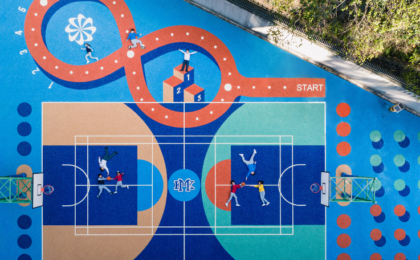
Putting sustainability at the core, the new revamped Man Kyu Grind Playground is an inclusive, multi-sport play space engineered based on user insight.
The initiative expects to keep 2.2kg of scrap from landfills for every mat produced.
India is one of the world’s largest producers of bananas, but with all its produce comes an enormous amount of waste, generating four tonnes for every tonne of fruit.
According to Lululemon, it took two years of research and development to create the material, which delivers “high-performance benefits at a lower carbon footprint”.
Conventional sequins are made from a polyester film (PVC), which causes significant environmental and health risks.
The latest innovation is part of Adidas’ commitment to replacing virgin polyester with recycled solutions by next year.

Last year, the company saved more than 19,375,000 cubic metres of water, and eliminated more than 90 million kg of CO2.

Kassio has worked with the Branditall team to use special technology to convert plastic bottles into raw materials that can be added to the fabric production process.
The company’s plant-based leather is now being used not just in fashion, but on furniture, aeroplanes and yes, even in cars, where the whole concept was born.