CP Foods’ egg packaging embraces 3Rs: reduce, reuse and recycle
The move is part of the company’s commitment to meeting its 2030 sustainability pledge.


The move is part of the company’s commitment to meeting its 2030 sustainability pledge.
The launch seeks to “reshape the carbon footprint” of wine by targeting an industry hotspot, the glass bottle.

The complex would house the single-largest bioreactor in the cultivated meat industry to date, with the capacity to manufacture thousands of pounds of meat from cells without the need for slaughter.
Plantry’s ready-made meals are vegan-friendly, high in protein, freshly made and snap-frozen.

Arancini are Italian rice balls stuffed, coated with bread crumbs and deep-fried and are a staple of Sicilian cuisine،.
The Korea Consumer Agency tested the quality and safety of 15 plant-based meat products, which did not contain any cholesterol.

Developed by the company’s in-house research and development team and manufactured in Singapore, the luncheon meat is non-GMO, Cholesterol free, trans-fat free, with no added preservatives. I
NotCo is currently scouting for suppliers for raw materials in Australia

The wrapper is also the company’s first soft plastic food wrapper globally to use recycled content.
New research suggests that nearly a third of consumers worldwide are open to eating plant-based eggs instead of conventional ones.
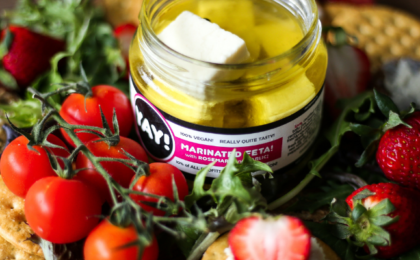
“We were approached directly by Woolworths because their team recognised our brand as one of the best vegan cheese products on the market,” recall Yay! Foods co-founders, sisters Nergiz Yuksel and Nalin Arileo.
The expansion will help supplement over 400,000 cattle annually, eliminating an estimated one million tonnes of CO2 emissions from livestock each year.
The range is featured in the Health Food aisle with three main flavours – Almond, Hazelnut and Nut.
The cultivated satay chicken was served with cucumber slaw, peanut sauce, Singapore bee hoon (stir-fried rice vermicelli) and tofu.
The launch marks its newest product development following its pork and beef mince, burgers, sausages, and crumbled chicken.