Meet’s plant-based Chicken Free Strips now available in Australia
Meet’s mission is to make nutritious plant-based meat using clean, high-quality ingredients that replicate the flavour of animal meat.


Meet’s mission is to make nutritious plant-based meat using clean, high-quality ingredients that replicate the flavour of animal meat.
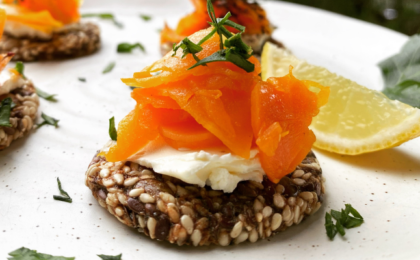
Future Tvna is the plant-based alternative using innovative True Texture Technology to replicate the flavour of real fish and meat fibres. The dish is 100 percent made from vegan organic ingredients, including soy, bean, and chickpea protein.

The company says it’s on a mission to offer vegans and vegetarians seafood and meat substitutes by using veggies and make it easier for flexitarians to reduce their animal consumption.

The company says the product has a “taste and texture that are parallel to the real meat” and is free from soy flavour.

Vgarden Australia will run a dedicated manufacturing facility based in Brisbane, Australia.
The brand hopes to educate people about the importance of food waste reduction and increase their environmental consciousness by drinking sustainable cocktails.
Zrou offers consumers a “More Good” option as the brand strives to produce meat that is as tasty as it is nutritious.
Being the winner of Nasa CO2 Conversion Challenge, the Peidong Yang Research Group saw the possibility in the process of transforming carbon dioxide into a mix of sugar with electricity.
Soaring demand for plant-based food has driven innovations that offer consumers flavours that aren’t far off the “real thing”, allowing people to conveniently swap their favourites for vegan options – including vegan cheese.
Fish fingers and fish balls are first for release, with the main ingredient being cultivated fish cells.
The company’s commitments focus on animal welfare; cocoa, coffee, and tea sourcing; palm oil use, eggs, and paper.
“We want to stimulate social discussion and show that our plant-based alternatives taste confusingly similar,” says CMO.
The announcement comes after its products were included for the first time in China’s national blueprint for food security.
The organisations compared the prices of alt-meat to their animal-based counterparts and found that the plant-based meat products did not suffer the same price increase despite inflation.
The rapid expansion of plantations is causing massive deforestation, particularly in Asia, where it fuels the destruction of wildlife habitats such as those of orangutans.