Cove’s compostable water bottle makes a sustainable splash
Unlike conventional plastic bottles, Cove’s sustainable alternative is non-toxic and free of traditional plastic components, including the cap.
Both collections are handcrafted in Porto, Portugal, using sustainable materials like Maize, an animal-friendly leather made from a blend of corn and recycled textiles.
The group’s accelerator programme aims to help equip businesses with the tools to build strong foundations for nationwide expansion.
The ingenious invention, known as the “Flow Hive”, allows humans to harvest honey without harming the bees or disturbing their hives.
Instead of recycling plastic, Mabi Swimwear minimises its plastic use by using alternative materials and implementing eco-friendly practices.
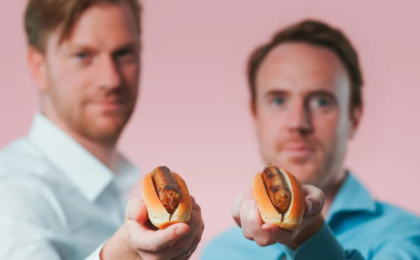
For today’s story, we will explore plant-based meat brands in Canada you should know about.
Nilo repurposes plastic waste into a non-toxic adhesive that addresses the plastic recycling problem.
Lead researcher, Professor Ma Qian from RMIT said the team applied circular economy thinking to their design, to transform industrial waste and low-grade materials into valuable titanium alloys.
The move comes as the Japanese tech company aims to reduce its dependence on rare metal manufacturers such as those sourced from China.
To sustainably feed 10 billion people in the next 30 years, reducing food waste should be a top priority.
According to research conducted by the Ellen MacArthur Foundation, the fashion industry is one of the largest polluters globally, second only to the oil industry.
Solar Foods CEO Pasi Vainikka, emphasised the importance of this innovation, marking the first time in history that edible calories can be produced without the need for photosynthesis.
A Parisian-based textile company, Sericyne, aims to transform the silky industry, finding a way to improve silk production.
The traditional flame creation of an average-sized dog emits about 45kgs of CO2. But there is a better way.
“A three-minute charge fundamentally changes how companies can design their products and how consumers use them.”