If you’ve ever watched an African elephant take a mud bath under the scorching savanna sun, you might have wondered how these gentle giants stay cool without sweating as humans do.
The secret isn’t fancy air conditioning; it’s their beautifully crinkly skin! Deep micro-wrinkles trap water and mud, allowing evaporation to chill their bodies for hours.
Now, brilliant minds at the University of Pennsylvania, led by researchers Dorit Aviv and Shu Yang, are asking: what if our skyscrapers wore elephant skin, too?
“Elephants have a network of cracks in their skin that trap water. When they spray themselves, that water stays put and evaporates slowly, cooling them over time,” said Aviv.
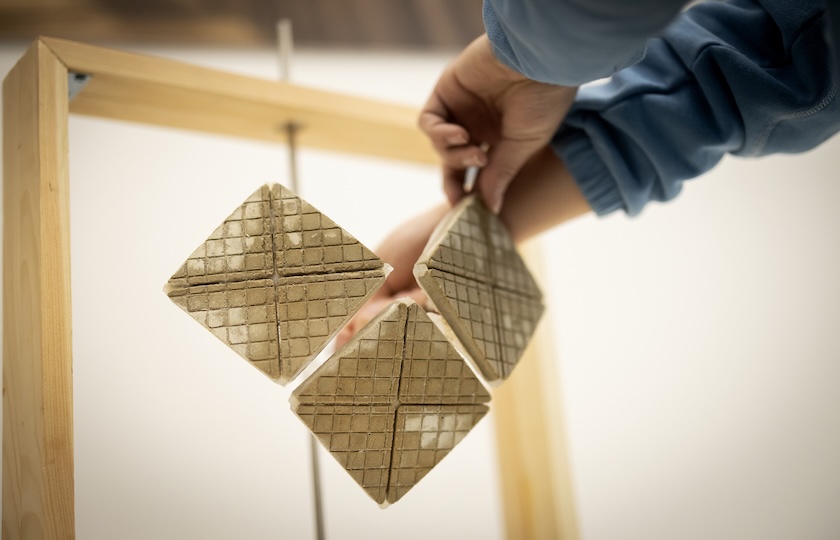
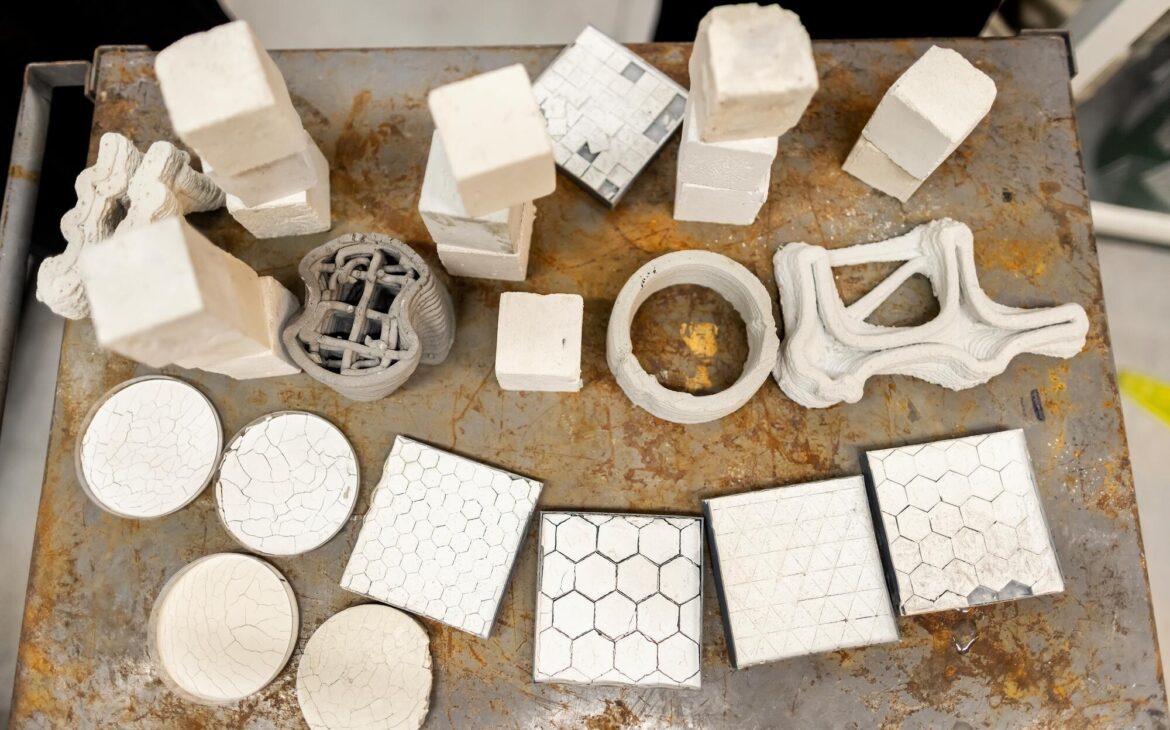
Meet the elephant-inspired cooling tile! Using advanced 3D printing, the team created textured ceramic building facade tiles that mirror the labyrinth of grooves found on pachyderm hide.
“In the US, we spend roughly 90 per cent of our time indoors, and buildings consume about 40 per cent of primary energy, nearly half of that for heating, cooling, and ventilation,” said Yang
“A passive, bio-inspired cooling façade like this could lower surface temperatures by minus 12.22 to minus 6.67 Celsius compared to traditional stucco,” she added.
Here is how the magic works:
- Water trapping: Rain or collected greywater flows over the textured tiles and gets caught in tiny ceramic grooves.
- Evaporative power: As wind blows across the wet facade, the trapped moisture evaporates slowly, sucking heat right out of the building walls.
- Self-shading: The high-ridge patterns create mini pockets of shade across the tile surface, keeping heat off the building structure in the first place.
Instead of burning up massive amounts of electricity on noisy AC compressors, these biomimetic tiles let physics, and a little pachyderm wisdom, do the heavy lifting.
Looking to the future, Aviv says that if the team can design materials that work with natural processes rather than against them, we can start to rethink how cities stay livable.
Who knew that nature’s ultimate skincare secret would end up saving the planet, one cool wall at a time?