Scientists at Southern Illinois University Carbondale have found a novel way to tackle the world’s plastic crisis: By turning old drink bottles into edible, vanilla-flavoured treats.
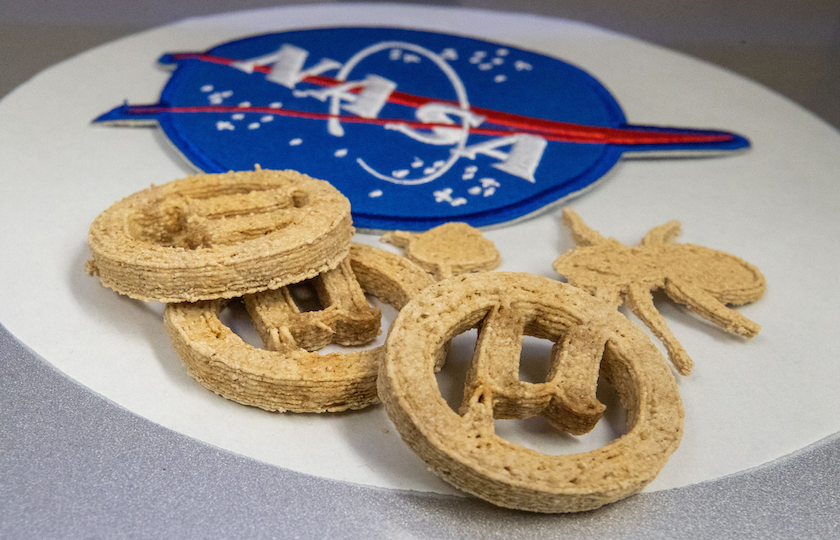
The team transformed polyethylene terephthalate (PET), the plastic used in everyday water and soda bottles, alongside agricultural waste like sweetcorn stalks, into protein-rich snacks, dubbed “µBites” (micro-bites).
To pull off the transformation, researchers used high-temperature water and oxygen to break down the tough materials. Genetically modified yeast was then introduced to digest the broken-down plastic and convert it into proteins, fats, essential vitamins, and vanilla flavouring.
After mixing in fibre, starch, and a bit of sweetener, the team printed the mixture into biscuit shapes using a 3D printer.
While turning rubbish into food sounds unusual, lead researcher Dr Lahiru Jayakody noted that both plastic and food share a basic building block: carbon.
The project, which received funding through NASA’s Deep Space Food Challenge, is primarily aimed at long-haul space travel. Astronauts on multi-year journeys to Mars could potentially recycle their onboard plastic packaging directly into sustenance, solving major storage and supply issues.
The technology could also prove useful on Earth in disaster zones or extreme environments where fresh food is scarce.
Though official taste tests are still awaiting university safety approval, the team reports that the treats have passed initial safety checks and smell surprisingly good.
Independent experts point out that the technique is not a fix for global plastic pollution, as the current production cost sits at around £45 (AUD$90) per kilogram. For now, the technology remains a promising option for niche, resource-starved settings, like outer space.