
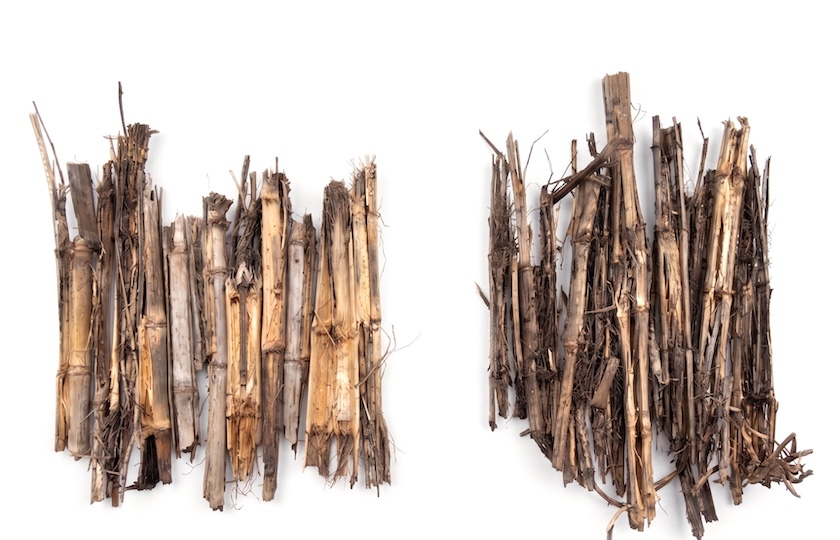
Mosaic Biosciences, a division of Tampa-based The Mosaic Company, has introduced Renuvis Enzara, a residue management solution formulated to speed up the natural breakdown of crop residue and enhance field readiness ahead of spring planting.
The development addresses challenges stemming from continuous corn production, high-yielding crop hybrids, and no-till farming practices, which often generate dense layers of residue. Left unmanaged, heavy crop residue can narrow planting schedules, cause uneven crop emergence, and increase wear on field machinery.
Unlike traditional microbial solutions that depend on organism colonization, Renuvis Enzara uses endoglucanase enzyme technology.
The targeted enzymes begin breaking down the rigid structural fibres of plant residue immediately upon application, even in cold environments with temperatures as low as 0 degrees Celsius. This enzymatic process creates initial entry points across the plant matter, enabling native soil microbes to continue the decomposition process.
The formulation is designed for integration into standard field operations. It can be applied during autumn or spring and offers tank-mix compatibility with existing fertiliser and herbicide routines, eliminating the need for an additional field pass.
The product is intended for use across corn-on-corn fields, no-till and reduced-till operations, and conventional tillage systems following high-yield harvests.
“Farmers are managing more residue than ever before, and that creates real operational friction during an already tight spring season,” said Matt Sowder, director of global solutions at The Mosaic Company.
“Renuvis Enzara helps accelerate residue breakdown so growers can improve field conditions to create a wider planting window, enable improved machinery operations such as planting or tillage, and give every acre a better starting point.”
By facilitating faster residue breakdown, the product aims to improve seed-to-soil contact and create uniform conditions for early crop establishment.
According to last year’s on-farm and laboratory evaluations conducted by the company, spring applications demonstrated improvements in crop emergence, stand count, and plant uniformity in both corn and soybean systems.
In addition, reduced residue density helps limit mechanical strain on tillage equipment and seeders. Over time, faster decomposition may allow growers to decrease tillage intensity, potentially lowering fuel usage and supporting soil conservation efforts.