
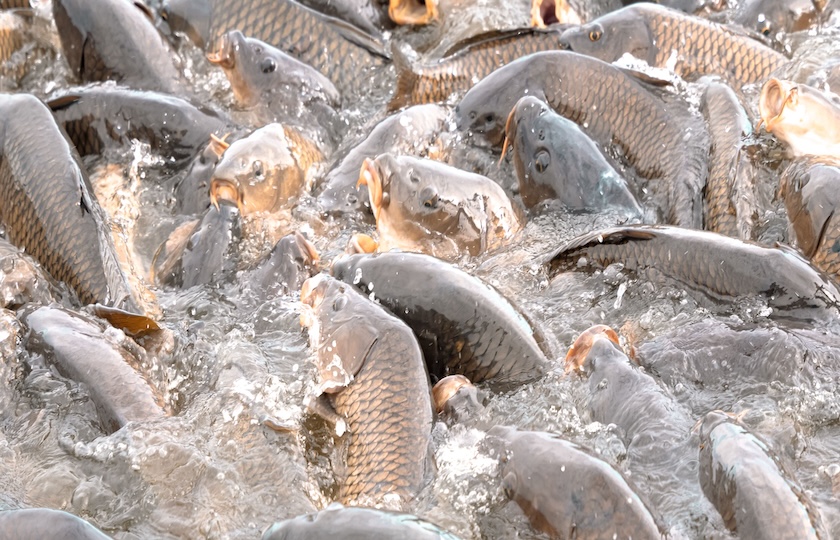
Migratory freshwater fish populations have declined by an estimated 81 per cent globally since 1970, according to a report from the Convention on the Conservation of Migratory Species of Wild Animals (CMS).
Released during the United Nations environmental treaty’s 15th Meeting of the Conference of the Parties (COP15), the Global Assessment of Migratory Freshwater Fishes warns that sub-surface river migrations are breaking down due to infrastructure development and environmental pressures.
The scientific assessment indicates that freshwater species are deteriorating faster than marine or terrestrial wildlife.
Of the 58 migratory fish species currently listed under the CMS framework, 97 per cent face risk of extinction.
The primary drivers of this population collapse include dam construction, habitat fragmentation, pollution, overfishing, and climate-induced ecosystem changes, which disrupt the long, continuous river corridors that fish need to access spawning and feeding grounds.
Data compiled from nearly 15,000 freshwater species positions Asia as the primary global risk hotspot, accounting for 205 of the 325 newly identified candidate species requiring international conservation status.
Other critical river systems requiring intervention include Europe’s Danube, Africa’s Nile, and South America’s Amazon Basin.
To address the crisis, regional governments have introduced transboundary policy proposals. Host nation Brazil has submitted a Multi-species Action Plan for Amazonian Migratory Catfish (2026–2036) to protect species like the dorado catfish, which covers an 11,000-kilometre migratory pathway.
Because roughly 47 per cent of the Earth’s land surface falls within shared river basins, researchers emphasise that stabilising these populations depends on treating waterways as interconnected ecological systems rather than separate national entities.