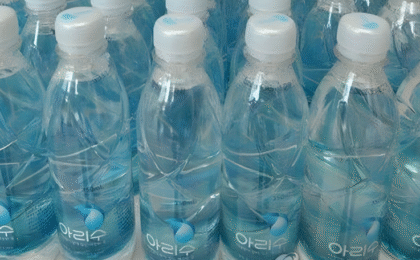
South Korea to transition to ‘label-free’ plastic bottles
South Korea produces approximately 5.2 billion plastic bottles each year, and as of writing, 65 per cent of these are now sold without labels.


South Korea produces approximately 5.2 billion plastic bottles each year, and as of writing, 65 per cent of these are now sold without labels.
These new products from South Korea are just three out of many, paving the way for more eco-friendly food options worldwide, showing that sustainability can still be both delicious and profitable.
In partnership with Korean beauty brand 107, six items are included in the pouches including a facial cleanser, face mist, moisturising cream, soap and shampoo.

The porous material claims to efficiently remove microplastics in water and small-sized VOC (volatile organic compounds).
The limited edition collection will include three types of bags made from used white industrial airbags, and each bag will feature a piece from a concert outfit from one BTS member.
The capsules will be processed as recyclable raw materials to create eco-friendly compound resins.
The pandemic and subsequent lockdowns caused food establishments to close down either limit capacity or thrive by offering their menu via mobile food delivery apps. Unfortunately, along with the convenience comes waste.
The generated hydrogen fuel from plastic will then be used as raw material for hydroelectric vehicles, cell power plants and help generate electricity.
The new system will offer incentives to encourage cafes to separate and recycle their coffee grounds.
A study has found that red and black apples and Arnold apples are the most ideal option to develop natural pigments.

Compared to using traditional plastic, bioplastic offers many advantages such as reduced use of fossil fuels, smaller carbon footprint, and faster decomposition.
“To build a robust collection system, a sense of environmental responsibility is not enough. Financial incentives are needed to change people’s behaviours.”
New material will create sustainable packaging to cosmetics companies in South Korea and abroad.

Methylotrophic bacillus is a microorganism that decomposes methane using methanol to take it as an energy source.
The South Korean luxury car brand expects to produce 400,000 EVs annually by 2030.