Office furniture manufacturer Herman Miller has updated the material composition and manufacturing process of its Aeron chair, resulting in a reported 12 per cent reduction in the product’s global average embodied carbon footprint.
The company integrated generative design and engineering adjustments to decrease the material mass of the chair’s aluminium base, lowering its weight by 84kg compared to the previous iteration.
According to Herman Miller, the change is part of a broader product decarbonisation strategy that has yielded over 7000 tonnes in carbon savings across the brand collective since 2022.
The update also includes an expansion of the use of recycled materials. The frame assembly now incorporates post-industrial recycled content and bio-based nylons.
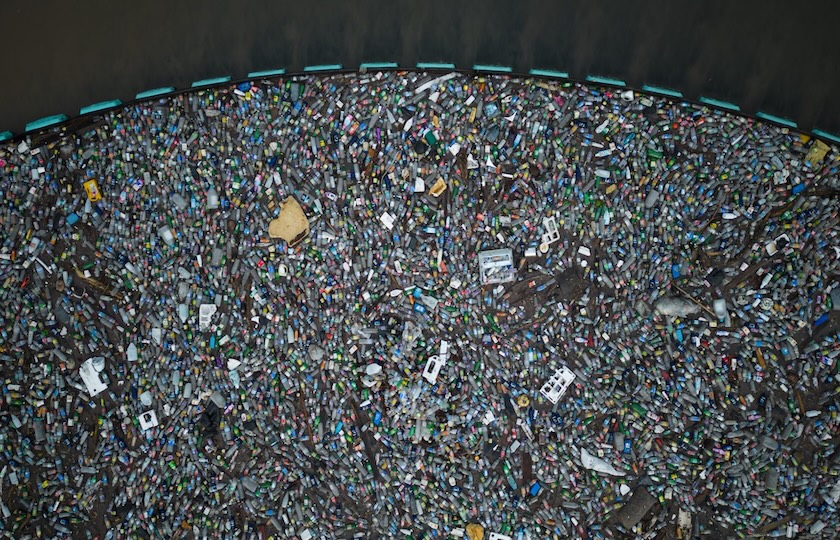
Since adding ocean-bound plastic to the Aeron model line in 2021, the company reports it has diverted more than 660 tonnes of plastic from oceans and landfills, doubling the volume recorded in its June 2023 sustainability review.
In addition to physical material modifications, the manufacturer expanded the product line’s size metrics. Recent compliance testing verified that the largest variation, Size C, meets regulatory requirements to support individuals weighing up to 200kg.
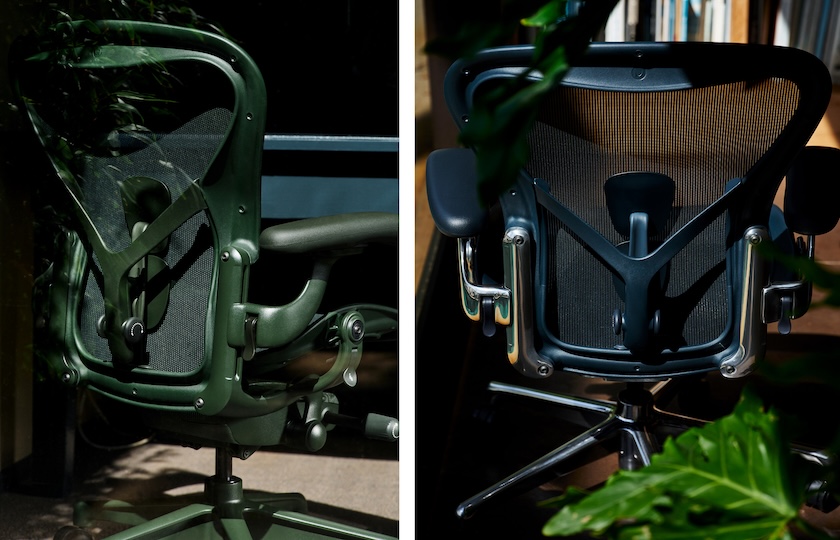
The update also introduces two single-hue colour profiles, Jasper and Nightfall, which apply a consistent tint across both the frame and the suspension material.
The manufacturer estimates its total material carbon savings since 2022 equal the annual energy consumption of about 3400 homes in the US.