

Researchers at RMIT University have developed an extraction method that uses high-power ultrasound to harvest protein from discarded cauliflower leaves.
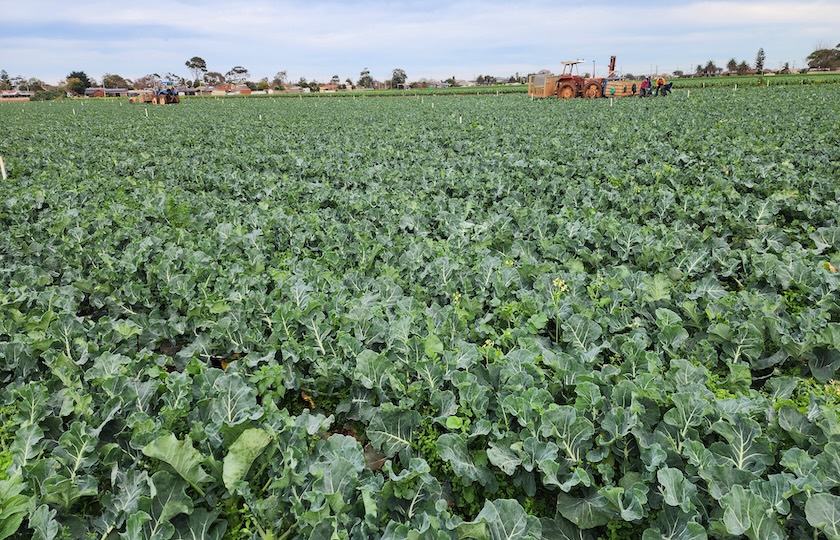
The early-stage research utilised cauliflower leaves sourced from a commercial farm in western Melbourne operated by Harvest Moon.
In the extraction process, high-frequency sound waves disrupt plant cell walls, which increases dry matter yield and improves protein recovery from the vegetable scraps.
The study found that adjusting various processing parameters affected the final protein concentrate’s particle size, colour, solubility, and structural properties.
Cauliflower leaves are regularly discarded during standard commercial processing despite containing dietary fibre and protein.
The resulting leaf protein concentrate from this method is intended for future applications in food manufacturing and animal feed.
According to lead researcher Professor Asgar Farahnaky, the utilisation of existing agricultural waste streams provides an alternative protein source without requiring additional crop production.
The project received in-kind support from The Leaf Protein Co Lead author and RMIT PhD candidate Kinjal Furia said that the research focuses on reducing environmental impacts by optimising current food waste streams.
The research team also said that further testing is required to evaluate the process at a pilot scale, determine energy efficiency, and assess consumer sensory acceptability in food products.
1 comment