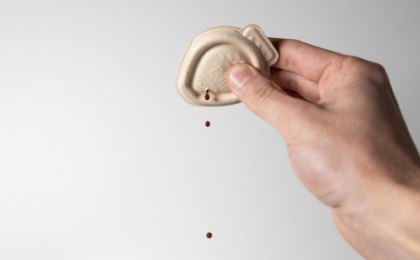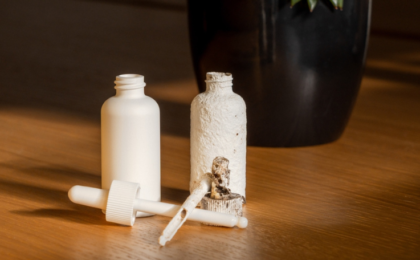
Shellworks develops home-compostable pipette to reduce beauty packaging waste
The goal was to make sustainability a core part of product design rather than an afterthought.



The goal was to make sustainability a core part of product design rather than an afterthought.
The breakthrough comes as plastic waste continues to accumulate worldwide.
Recycled PET products will be sold across a network of around 50 aquariums.
The initiative positions refill shops as key partners in shifting consumer behaviour away from single-use packaging.
The new packaging – called Holy Carp! – is made from bagasse pulp, a fibrous by-product of sugar production.
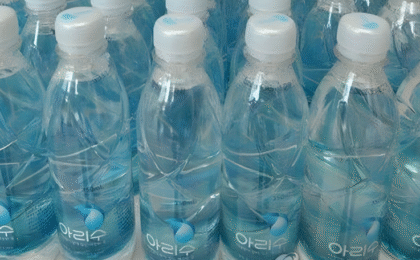
South Korea produces approximately 5.2 billion plastic bottles each year, and as of writing, 65 per cent of these are now sold without labels.
Traditional recycling often blends multiple materials, producing unstable outputs that cost more to recycle than replace.
The concept offers customers surprise meal packages at discounted prices while tackling one of the food industry’s biggest problems: waste.
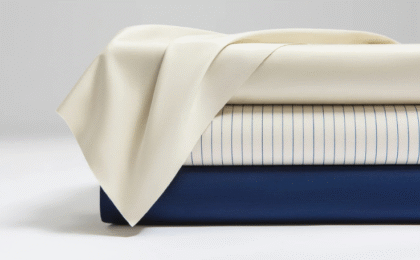
Made for companies transitioning to low-impact textiles, the line offers more than 50 fabrics made with recycled cotton.
The program has worked with clothing producers to cut emissions, phase out toxic chemicals, and reduce water use.
While Farm to Material is still in its early stages, the potential of banana fibre is drawing attention from the textile industry.
The prototype is currently optimised for screen printing and features four hues.
Sara Gamea, first author of the study, said keratin could reshape how dentistry approaches tooth repair.
Dash cameras are widely used to improve road safety by recording journeys and providing…
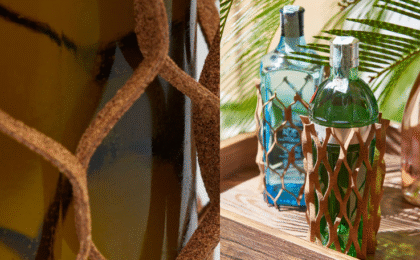
Australia’s Innonature Packaging Solutions has developed a protective sleeve for wine and spirit bottles…